Showing posts with label health. Show all posts

Thursday, February 6, 2014

Natural Shampoo Recipe with Coconut Milk from Wellness Mama


I have been trying to find natural solutions for hair care that are simple to make, not too expensive, and work with my hair type. I have tried a few recipes that have really dried out my hair and not worked well for me. 

Recently, a friend of mind turned me onto this recipe from wellnessmama.com.  I made a double batch with lavender oil and olive oil.  It lasted for 3 weeks (I have thick long hair) and really left my hair moisturized and smelling great. 

She reminds you to shake before each use (just put it in an old shampoo bottle).  It can stay in the shower for use for up to one month. 


Wednesday, January 1, 2014

Does Someone In Your House Keep Asking "What's there to eat?"--Try This Great Solution

I can't count the number of times my 7 year old says, "I'm hungry."  And I say, "What do you want to eat?"  And he says "What do we have?"  We, of course, repeat this dialogue several times a day.  

Recently I decided to create him a menu.  I typed up about 20-25 of his most common snacks and meals including several protein based foods, snacks, fruit, smoothies, etc.  

I printed out the menu on our home computer.  I then used my Scotch Thermal Laminator to seal it into a more durable menu for little hands.  

Now, he knows where his menu is located in the house.  I use a dry erase marker to cross off foods I don't have that day (e.g., if I run out of apples) or I add foods that I know we have that aren't on the list (e.g., at Thanksgiving we may have left over turkey).  Then he can tell me specifically what he wants, even though I control what is on the list (offering healthy foods with a good mix of protein and healthy options).  

Who would this help at home?
1. Children
In the case of young children who can't read, try using a picture menu.  You can either make a book of food in picture form (like a trifold menu) or you can print off various foods in picture form, laminate them separately, and use velcro to affix them onto the "menu for the day."  So for one meal, you might affix options of cereal, eggs, toast, etc.  For the next meal, you can affix different foods in picture form. 

2. Individuals with Dementia
Many individuals with dementia have trouble knowing when they are hungry, what they are hungry for, and may even fail to initiate eating during the day.  Some dementias produce specific difficulty with words, expression, or reading.  In these cases, you can use a similar option where you list options for food in words or pictures to give them some control and option, but still assisting them in generating ideas. 

3. Adults Trying To Eat Healthy
If you made a New Year's resolution to eat healthier, you may find yourself thinking, what is there to eat?  You might want to use your cookbooks, websites, and Dr's advice to list some ideas on a menu for yourself.  For example, you might make a "snacks" menu that gives you ideas for healthy options.  

4. Adults with Learning Disabilities
I recently met a few adults who had language disabilities from birth.  They have difficulty generating verbal words and ideas.  They also have difficulty reading.  A picture menu would be a great option in this case as well.   

Monday, December 30, 2013

Immune function, Vitamin D3, and Autism

Have you been hearing a lot about Vitamin D3 and health?  Maybe you know someone who is Vitamin D deficient. 

I recently read an interesting article looking at Vitamin D, autoimmune issues, and autism. This study looked at levels of Vitamin D and levels of anti-MAG auto-antibodies in healthy vs. autistic children.  Anti-MAG auto-antibodies are antibodies that specifically attack the myelin on neurons and are implicated in some forms of neuropathy.  Click on the link below to read the article in the Journal of Neuroinflammation.

Research study investigating Vitamin D, antibodies that attack myelin on nerves, and autism


Here is a summary:


1. Immune abnormalities, mainly autoimmunity to brain tissue, may have a pathogenic role in autism.  Recently, vitamin D deficiency has been implicated as a potential environmental factor triggering some autoimmune disorders.  


2. In this study, autistic children had significantly higher serum levels of anti-MAG auto-antibodies than healthy children, P < 0.001. Increased serum levels of anti-MAG auto-antibodies were found in 70% of autistic patients. A previous study conducted on 32 Egyptian children, aged between 3 and 8 years, reported anti-MAG seropositivity in 62.5% of autistic children.


3. In the present work, patients with severe autism had significantly higher serum anti-MAG auto-antibodies than children with mild to moderate autism.


4. Serum 25-hydroxy vitamin D levels had significant negative correlations with serum levels of anti-MAG auto-antibodies.  That is, individuals with lower vitamin D showed higher levels of auto-antibodies.  


The authors emphasize that the findings are intriguing for future study and do not negate the contributions of other factors in the expression of autism.  The possibility is raised, however, that there may be an autoimmune contribution in a subset of individuals with autistic expression and that Vitamin D3 may play a role.


Saturday, November 16, 2013

Homemade Lip Balm: A Must Try!

This summer, I tried the recipe I found here: Homemade Natural Lip Balm at ourbestbites.com.


And today...I just used the left over I had from that first batch, remelted it, and refilled my containers (12 tubes).

This is a must for the winter and year round.  I used to buy other natural lip balms, but they were about $3 for one stick and rarely went on sale.  Once you invest in the ingredients, these balms will last a long time and are easy to refill.  And, they can be made in different scents and are great for gifts!

I got the beeswax pellets through Amazon and also ordered these tall slender tubes while I was at it.  I already had coconut oil in the house, and did use Vitamin E but found it hard to squeeze into the batch.  I used some oils I had in the house like peppermint.  Although I did invest in the decorative tapes, the trick was to be able to make them stick with all the oil and balm on my hands!  

Wednesday, September 25, 2013

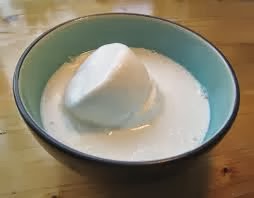
Vegan Ice Cream Recipe

My 7 year old son follows a gluten free, casein (dairy protein) free diet.  This helps him manage his symptoms within the autistic spectrum.  We are always on the look out for healthy and yummy alternatives for favorite foods like ice cream. 

A few years ago, I played around with recipes for making homemade ice cream.  We use a Cuisinart ice cream maker (I don't think the model is even being sold now) and probably make about 5 batches a week. We have been doing this for about 4 years, and the machine is holding up well. 


The milk base I use for the ice cream is a mixture of hemp milk and coconut milk.


Hemp milk is an alternative to cow's milk made from hemp seeds. 
One 8-Ounce glass generally contains the following nutrients:
900 mg Omega-3 Fatty Acids, 2800 mg Omega-6 Fatty Acids, All 10 Essential Amino Acids, 4 Grams of Digestible Protein, over 40% of RDA of Calcium, Vitamin D, and many other nutrients.


Coconut milk is produced when water and coconut "meat" are mixed together and then pressed so the milk is harvested.  


Some sources I read said the water used is coconut water and others just said "water." Coconut milk contains medium chain fatty acids, the fatty acid type most easily recognized and used by your body.  Because coconut milk is not a cow's milk product, it is free of lactose and the large milk proteins that can be associated with intolerances and allergies.  It is also vegan.  It is versatile and can be used in smoothies, rice dishes, soups,and curries.  Coconut milk is found in cans, sometimes in the international food section of your grocery store.  

Basic recipe:

In a blender, I put one can of coconut milk (you can use either full fat or lite depending on how creamy you like it and how much you want to cut calories) and then top it off with hemp milk until I reach about 4 cups on the total blender content line.  Add 1/4 to 1/3 cup of Agave nectar and blend.  

You can make flavors by adding elements to this basic recipe (our ice cream maker holds about 5 cups, so I watch the blender content line when I am adding ingredients. 

Ideas:
1. Add cocoa powder for chocolate
2. Add frozen organic fruit for a fruity ice cream
3. Add pumpkin puree to make a nice autumn ice cream
4. Add organic peanut butter and chocolate chips

We store our ice cream in a glass container in the freezer.  The ice cream will need to be warmed to scoop out, so it either needs to be taken out ahead of time or put in microwave for a minute or two to soften up.


Enjoy!


Thursday, September 19, 2013

Gluten Free Frozen Pizza

I have recently been recovering from surgery, and having some food we can unwrap and throw in the oven is very nice!  That is sometimes a tall order when you are trying to eat natural food, and in addition, we eat gluten free, soy free, and dairy free. 

We recently discovered Ian's gluten free dairy free pizza at our local grocery store.  


We have tried other frozen pizzas but didn't care for the "cheese."  Ian's is now our favorite 
frozen pizza...nice crunchy crust, smooth cheesy topping, and delicious uncured pepperoni.  The makers describe it as "all nature allergy friendly."  

For those of you that like gluten free but can eat some dairy, you may want to check out Bella Monica's Gluten-Free Spinach and Feta pizza.  It has a subtle spinach taste and the feta adds a nice unusual twist to the usual cheesy topping.  


Monday, September 16, 2013

Civilized Caveman Cooking: Lemon Pound Cake (Paleo)


Interested in Paleo cooking?  You might want to check out civilizedcaveman.com,  I personally LOVE this recipe on the site for lemon pound cake.  I use agave nectar rather than honey and I leave the glaze off.  The cake is very moist and not too sweet.  I have noticed that the center often seems too soft when I take it out, which I think is a function of the coconut oil which melts easily even at near room temps.  I put it in the fridge for cooling and it firms up nicely.  


Serves: 12
Ingredients
Lemon Pound Cake
Glaze
Instructions
Lemon Pound Cake
  1. Preheat oven to 350 degrees fahrenheit.
  2. Prepare a 9×9 baking pan by coating the interior lightly with coconut
  3. oil.
  4. Cut parchment paper to fit the bottom of the pan and place it
  5. over the coconut oil.
  6. Sift dry ingredients in a large mixing bowl and stir with a whisk to
  7. combine.
  8. Place oil and honey in the bowl of a food processor and process for 2 minutes.
  9. Add eggs, one at a time, mixing after each addition.
  10. Add coconut milk, lemon extract, and lemon zest, and continue to process until well combined.
  11. Make a well in the center of the dry ingredients and pour in the wet ingredients and thoroughly combine using a wooden spoon until smooth
  12. Pour batter into prepared pan and bake for 35 minutes or until it passes the toothpick test
  13. Let cake cool in the pan for 10 minutes
  14. Remove cake from pan and let cool completely
Glaze
  1. While cake is in the oven, cut vanilla bean lengthwise and scrape the beans into a small saucepan.
  2. Add the vanilla bean pod, lemon juice, zest, and honey to the pan and bring to a simmer over medium heat.
  3. Reduce heat to low and simmer for 10 minutes.
  4. Let cool to room temperature. Remove pod and discard.
  5. Using a fork, poke several holes in the top of the cake
  6. Pour glaze over the cake, using a spatula to evenly distribute over the entire cake. Let the cake rest for an hour to fully absorb the glaze.
  7. Serve immediately or cover and store in the refrigerator.

Wednesday, August 21, 2013

Flourless PeanutButter Banana Muffins from Detoxinista

We are enjoying these muffins at Detoxinista.com so much.  These flourless muffins are high in protein and really filling.  They are a great breakfast or snack, and travel well in school lunches.  A few notes: I actually end up having to bake them for 20 minutes, so you can adjust that based on your oven. These muffins do rise, so don't fill more than the recommended 1/4 cup.  Also, I always add 4 or 5 dried cherries on top before baking. Yum...like a peanut butter and jelly muffin!


Ingredients
  • 1 cup natural organic peanut butter
  • 2 very ripe bananas, mashed (about 1 cup mashed)
  • 1 teaspoon baking soda
  • 1 teaspoon vanilla extract
  • 3 whole eggs
  • ½ teaspoon sea salt
  • ¼ cup honey (or stevia, to taste)
  • 1 teaspoon cinnamon
  • Optional add-ins: ½ cup chocolate chips, or 1 cup fresh raspberries, or ½ cup dried raisins or cherries, or 1 sliced banana
Instructions
  1. Preheat your oven to 350F and prepare a muffin tin with 12 paper liners.
  1. In a medium bowl, combine all of the ingredients mix until smooth. At this point, you can fold in one of the optional add-ins, if desired.
  1. Scoop the batter, using a ¼ cup, into each muffin liner.
  1. Bake for 15 minutes at 350F. The resulting muffins should be firm, and lightly golden.
  1. Allow to cool for 15 minutes before removing from the pan.
  1. Serve immediately, or store in a sealed container in the fridge for up to a week!
Notes
Adding fresh raspberries or dried fruit will make these taste like a ‘peanut butter and jelly’ muffin! Almond butter can easily be substituted for the peanut butter in this recipe, if you prefer. You could also try sunflower butter as a nut-free option!


Thursday, June 13, 2013

Tea: What Makes It So Wonderful

I have recently realized how little I have understood about beverages and foods that take on characteristics of the region they come from (e.g., wine, tea, coffee, cheese). 

I recently read a new book in the Tea Shop Mystery series by Laura Childs.  The book is Sweet Tea Revenge and was just released in March of 2013. 


Aside from loving a good cozy mystery, I so enjoy reading her descriptions of teas, flavor profiles, infusions, and blends. 

Tea is the most widely consumed beverage in the world (after water).  It is reported to have health benefits including the reduction of blood pressure, weight control, and the increase of bone mineral density.  Tea catechins are said to have anti-inflammatory and neuroprotective activities. 

Teas can be categorized based on how they are processed with at least 6 different types: white, yellow, green, oolong, black, and post-fermented tea.  Teas from multiple areas may be combined to form blends.  There are also a large range of scented and flavored varieties such as Earl Grey.  In the United States and Canada, 80% of tea is consumed as iced tea. 

Check out the Teavana website for all things tea or visit one of their locations. 


They sell tea, tea blends, and other products like teapots and infusers.  They even have Tea of the Month clubs and their app is free.

Thursday, June 6, 2013

Avacado Recipes: Surprising Ways to use these Healthy Fruits

This week I came home and needed something quick for dinner but didn't have much in the fridge.  Then I remembered I had some banana and some avocado in the freezer.  I threw together a smoothie with those fruits and some cocoa powder with agave nectar.  I had been hearing about using avocado in frozen recipes but hadn't tried anything yet.  It was wonderful, creamy, filling, and did not taste like guacamole!

Avocados are a fruit with many health benefits.  They contain all 18 essential amino acids, fiber, phytochemicals, as well as vitamins A, B, C, E, K, copper, iron, phosphorus, magnesium and potassium.   The fats are primarily monosaturated and good for your body.  See here for 15 health benefits of avocados: 
Avocados and Health.  

In addition to everyone's favorite guacomole, avocados can be key ingredients in a variety of other recipes.  They can be substituted for heavy creams in some deserts likes cakes and frozen desserts.  And don't worry--they don't taste like avocado.  

Check out detoxinista.com's Healthy Fudgsicles


Try this Vegan Chocolate Cake at ambitiouskitchen.com!


Wednesday, May 15, 2013

Detoxinista food blog: Review

I am in heaven!  For the past 5 years, I have made the transition to a gluten free-casein free (GFCF) diet in our household because it helps my son who is in the autistic spectrum.  This year, there are so many more blogs and websites with grain free and dairy free recipes--I want to shout for joy! 

I love this blog by Megan (I've seen her go by Megan Dotoxinista on various social sites).  In addition to great recipes, she also has a pregnancy page on her website.  It looks like she is in her third trimester and reporting about food and health in her journey.

Her background:
She is a certified Holistic Health Counselor, trained at the Institute for Integrative Nutrition. Based in New York City.  It is the largest nutrition school in the world. The school teaches over 100 dietary theories, practical lifestyle management techniques, and is led by top experts in the field of health and wellness including Dr. Andrew Weil, Geneen Roth, Dr. David Katz, Dr. John Douillard, Dr. Mark Hyman, and David Wolfe among many others.  She also trained with Clinical Nutritionist and Detox Expert, Natalia Rose in Intelligent Detox Counseling. This approach encourages eating all-natural, whole foods in proper combinations, for best digestion.  She states, "I encourage my readers and clients to make gradual steps in the right direction, such as choosing real foods over processed versions, to create lasting lifestyle change."

This is on my list to make this week!  I've been looking for some recipes that call for cashews--

Raw Chocolate Cheesecake

(Dairy-free, Grain-free)


A rich chocolate cheesecake, that’s free of dairy and refined sugars, and loaded with a full CUP of veggies!
Ingredients
For the crust:
  • 2 cup raw pecans
  • 2 tablespoons coconut oil
  • ¼ cup cocoa powder
  • ¼ cup pure maple syrup
  • ⅛ teaspoon fine sea salt
For the filling:
  • 2 cups raw cashews (no need to soak)
  • 1 cup peeled & diced zucchini
  • ½ cup cocoa powder
  • ½ cup pure maple syrup
  • 1 tablespoon vanilla extract
  • ¼ teaspoon fine sea salt
  • ¼ cup coconut oil, melted
Instructions
  1. Prepare the crust by placing the pecans in a food processor fitted with an S-blade, and grind them into fine meal. Add in the rest of the crust ingredients, and process again until well combined. Line the bottom of an 8-inch spring form pan with plastic wrap or parchment paper, then press the crust evenly into the bottom of the pan. Place the pan in the freezer to set, while you prepare the filling.
  2. In a high-powered blender or food processor, process the raw cashews until they are a fine powder. Add in the zucchini, cocoa powder, maple syrup, vanilla extract, and sea salt, and blend again until a smooth and creamy batter is formed. Add in the melted coconut oil, and blend again to fully incorporate the ingredients into a uniform filling.
  3. Pour the filling into the frozen pie crust, and allow to set for 8 hours, preferably overnight.
  4. Serve directly from the freezer, for best texture. *Note: This cheesecake will become quite soft if left out at room temperature, so be sure to keep it chilled!

Monday, May 6, 2013

Peach-Pumpkin Pie NonDairy Smoothie

I have so many goals and so many voices running around in my head.  Slow down, speed up.  Do more, do less.  Rest, work, play.  Eat healthy, grab something to eat as you run out the door.

I am trying for balance between realism about a busy and hectic life, and being able to commit fully to being healthy!

So, I am back to trying to do healthy smoothies in the morning that I can then take in the car with me to work.  My newest this morning was quite yummy (sometimes when I try new smoothies they are not. I don't really choose ingredients wisely or measure them---I just dump whatever I have in the blender until it is the right consistency...yuk).

I happen to love pumpkin and I haven't had peaches in a long while.  This weekend, I bought frozen organic peaches for a smoothie and combined them with pumpkin...

NonDairy Peach-Pumpkin Pie Smoothie
1 cup Hemp Milk
1/2 cup Coconut Milk
1 scoop Gluten Free Dairy Free Protein Powder
1/2 cup organic pumpkin puree from can
1 tsp pumpkin pie spice
Add frozen organic peaches to desired consistency
Add Agave Nectar or desired sweetner to taste (optional)


This one goes in my "keeper" recipe file.  Hope you enjoy!

Saturday, April 27, 2013

The Skinny on Coconuts: Water, Milk, Oil, and Flour

There's a lot of buzz these days about the health benefits of coconut products.  If you are like me, you might have trouble keeping up with the terms and advice.  Here is a summary of what I have found--

1. Coconut Water
Coconut water is the liquid inside a coconut and is harvested from young green coconuts 5-7 months of age.  The water is fairly clear and health benefits include electrolytes, enzymes, vitamins, minerals and phyto-nutrients.  Coconut water is a good thing to drink if a person is battling stomach flu or diarrhea, because the presence of electrolytes and minerals help replenish the system more than pure water.  It is also a good thing to drink if you are working outside gardening or mowing the lawn because of its hydration and restorative properties.  Some sources report that coconut water may help if you're prone to bladder or kidney infections; the water seems to lend detoxifying properties to the urinary system.   Coconut water contains the same lauric acid as mother's milk, and therefore adds a boost to your immune system (lauric acid has antibacterial, antiviral, and antifungal properties). 

Some sources I found point out that any coconut product is best if purchased organic and raw.  The product is not raw if it has been pasturized; if pasturized (common in packaged coconut water), the amount of beneficial ingredients such as enzymes are much lower than in the raw product.

Personally, I find coconut water difficult to drink because of the texture.  I do, however, like it in smoothies with fruit.  You might want to check out this smoothie recipe on +Food Network's website.

Coconut Water Smoothie


2. Coconut Milk
Coconut milk is produced when water and coconut "meat" are mixed together and then pressed so the milk is harvested.  Some sources I read said the water used is coconut water and others just said "water." Coconut milk contains medium chain fatty acids, the fatty acid type most easily recognized and used by your body.  Because coconut milk is not a cow's milk product, it is free of lactose and the large milk proteins that can be associated with intolerances and allergies.  It is also vegan.  It is versatile and can be used in smoothies, rice dishes, soups,and curries.  Coconut milk is found in cans, sometimes in the international food section of your grocery store.  

3. Coconut Oil
Coconut oil is extracted from the mature coconut meat.  Coconut oil is now recognized as one of the healthiest oils and includes medium chain fatty acids.  Coconut oil, like coconut water and milk, contains lauric acid, with its protective immune properties.  The oil helps you absorb minerals more effectively from food.  Many use it as a beauty product for their skin or hair.  Extra Virgin coconut oil is unrefined and has a flash point of 350 degrees F.  

4. Coconut flour
Coconut flour is grain free (and therefore often used in grain free and paleo cooking) and made from the coconut meat.  It is high in fiber; sources report it has as much protein as wheat flour but without the gluten (gluten is a large protein in wheat that causes health problems for many people with sensitivities or Celiac disease).  Coconut flour has only 3g of net carbs, and coconut has a low glycemic index (45).  Therefore, the flour is appropriate for low carb and low glycemic diets such as South Beach, Atkins, and the Zone.  This is in contrast to wheat/white flour which has a high glycemic index (I typically found numbers of about 74-75).  


Check out the recipes at FreeCoconutRecipes.com

Maybe you want to try out the Mexican Hot Cocoa Squares?  They look yummy.


Thursday, April 25, 2013

Using Homemade Simple Syrups in Refreshing Summertime Drinks


In my house, we love plain sparkling water.  Every now and then we also have the taste for more flavoring in the sparkling water, or even a sweet treat for a celebration or occasion.  

Using simple syrups can be a great tool in your cooking and add something special to a refreshing sparkling drink or iced beverage.  What is a simple syrup?  It is when you boil sugar in water at a certain ratio to make a syrup. It can be more appetizing than putting actual granulated sugar in a drink because you don't have to stir and hope the sugar dissolves.  There is no grainy pile of sugar at the bottom of the drink, and you have equivalent sweetness throughout the whole drink. 

A general simple syrup is made with the following ratios:

Thin simple syrup - A ratio of 3 parts water to 1 part sugar - used to glaze cakes and cookies.

Medium simple syrup - A ratio of 2 parts water to 1 part sugar - used to make sweeten beverages and iced tea.

Thick simple syrup (basic simple syrup) - A ratio of 1 part water to 1 part sugar - This is used as the basis for cold fruit drinks and cocktails. Also used to make candied fruits. 

As you can see, you can adjust the ratios to make the syrup more rich or thick.  Put cold water and the sugar portion into a pan and cook on medium heat.  Stir until the sugar dissolves, about 3-5 minutes.  The longer you cook, the thicker the mixture will be.  Cool, put in a container, and store in the refrigerator. 

Simple syrups can be brushed over cakes and cookies to add moisture and sweetness.  They are also added to beverages.  One of the nice things about adding them to beverages is that you control the sweetness of your drink.  When we add a simple syrup to our sparkling water, we can get just a hint of sweetness, or can make more of a drink akin to a soda pop. 

Another great variation is to infuse flavor into the simple syrup.  You can add a cinnamon stick during the cooking process to make a cinnamon infused simple syrup.  We also add sliced fresh ginger and then strain the pieces after the cooking process.  What flavor would you like to infuse?  Be creative and have fun.  It is an easy, healthy,and economical way to enjoy a refreshing summer drink.  

Thursday, April 11, 2013

Eat Nourishing Recipe Site


I recently discovered eatnourishing.com.  Eat Nourishing was created in 2011 by husband-wife team, Anthony and Jami Delgado.  It is a recipe sharing site with recipes based on whole, unrefined ingredients.  There are many grain free and paleo recipes which I am interested in these days.  My son follows a gluten-free, dairy free diet and there are many compatible ideas on this site. 


You may be able to see from this screen shot that there are icons above each recipe that tell you what is true about the ingredients.  There are icons for vegetarian, dairy free, gluten free, grain free, paleo,etc.


I ordered some almond flour and coconut flour to get started with some of the recipes.  I would like to try this one called :  Paleo Almond Flour Crepes


Which one looks good to you?

Monday, March 25, 2013

Impossible Monday: Prayers for Health


Every now and then I like to dedicate a day to pray for "impossible" things.  I felt like I went through a season where God asked me if I was only praying for things I thought were reasonable, possible, or likely.  He encouraged me to pray for "impossible" things with great faith!

Today, let's join together to pray for breakthrough in areas of health!  I encourage you to think of issues of health in your household, community, family, and world.  What strikes you about this area?  What hits home? Do you pray for a special person who is sick?  Do you pray for an area of health that you feel conviction about?  Do you pray for breakthrough with cancer, for example, or autism, or depression?  Do you pray for those with dementia?  What feels like an "impossible" prayer to you?  Let's pray together--


Luke 11:9 Amplified Bible (AMP)

So I say to you, Ask and keep on asking and it shall be given you; seek and keep on seeking and you shall find; knock and keep on knocking and the door shall be opened to you.


Let's keep on asking, keep on seeking, and keep on knocking!  I am praying for your health.

Saturday, March 23, 2013

Gut Bacteria and Mood

Trillions of bacteria live in our gut; in fact, the number of bacteria out-number our own cells about 10:1.  The gut is also home to 100 million neurons and is often called the "second brain."  Not only that, but 60-70% of our immune system is within the gut.  

Many people are aware that we all have "good bacteria" and "bad bacteria" within the digestive system.  Having 85% good bacteria is considered "normal."  

The incredible thing is that research with animals models is finding that the content and ratio of bacteria in the gut impacts behavior and "mood."  By changing the types of bacteria in the gut of animals, they have seen notable changes, primarily within behaviors that are described as "anxious" (e.g., animals can be seen as more cautious, timid, or reluctant to engage in new environments) vs. bold and adventurous.  The impact also works the other way.  When significant stress is introduced, the stress chemicals released can change the flora of the gut and therefore negatively impact immune function.  

This type of research may impact how we treat individuals with anxiety and mood symptoms.  In the future, doctors may want to test the bacterial flora and alter it to a more healthy state to see if this improves symptoms. 

To read more, connect to this article--That Gut Feeling: article in APA monitor

One reason I find this so interesting, is that my son is in the autistic spectrum and has difficulties with anxiety.  We notice that when he is on an antibiotic for a while, he seems worse.  We also feel he does better with a probiotic supplement to increase his good bacteria.  Many individuals within the autistic spectrum are noted to have significant allergies (immune issues) and digestive problems but no one knows why.  I will be watching for research that connects the gut, immune system, and autistic spectrum in some way...

What do you think?